Hospitality campaign, VAT’s the Problem, is calling on everyone in hospitality: restaurants, pubs, hotels, and nightclubs, to unite behind one goal: setting VAT at 10% for the sector.
Chef and publican Tom Kerridge is encouraging hospitality leaders, teams, and businesses to join before the campaign launches publicly on 1 July.
This issue goes beyond taxes. For many in hospitality, it affects daily operations, job security, cost management, and the ability to keep high streets lively and welcoming.
Why is hospitality asking for a 10% VAT rate?
For hospitality owners and operators, VAT is not just a distant policy. It affects the daily decisions that keep a venue running.
It influences menu pricing, how businesses handle supplier cost increases, how staff schedules are planned, and whether owners feel confident enough to reinvest in their business.
For some venues, this could mean postponing purchases of new equipment. For others, it might involve changing opening hours, delaying refurbishments, or making careful staffing decisions.
That’s why the campaign has resonated with so many in the sector. It highlights the pressures behind the guest experience: the costs, planning, and behind-the-scenes discussions that happen before service starts.
This is only one part of the broader cost challenges that hospitality operators face. Rising employment costs, tax changes, and tighter margins all add to the pressure, as we discuss in our article, National Insurance Contributions 2025: Ways to Save.
The VAT’s the Problem campaign argues that lowering VAT to 10% would ease some of this pressure. It also points out that other European countries have lower hospitality VAT rates than the UK. According to the campaign’s website, France, Spain, and Italy have a 10% rate, while Germany’s rate is 7%.
Whether you work in a kitchen, hotel, restaurant, or pub, the main concern is the cost of keeping hospitality businesses open, trading, and able to employ staff.
Why is VAT’s the Problem gaining attention now?
Timing matters in this situation.
Hospitality businesses have faced years of rising costs, staffing shortages, energy challenges, and tough trading conditions. Many venues are still trying to rebuild confidence while managing daily pressures that guests may not see.
The VAT’s the Problem campaign isn’t just about one type of venue. It’s being presented as an issue that affects all areas of hospitality, including:
- independent restaurants
- pubs and bars
- cafés and coffee shops
- hotels
- nightclubs
- event venues
- festivals
- wider hospitality businesses
For clients, this shows how challenging it is to run venues that need to deliver great experiences while managing rising costs.
For those working in hospitality or considering a new role, a stronger sector is important. When venues are doing well, there are more stable hours, chances for progression, new roles, and long-term careers. Hospitality careers rarely follow a straight path; they develop through different roles, venues, and the people who help along the way. Jack Mackenzie’s 25-year journey is a great example of what long-term growth in this industry can look like.
That’s why both employers and employees are watching this campaign closely.
What has Tom Kerridge said about the campaign?
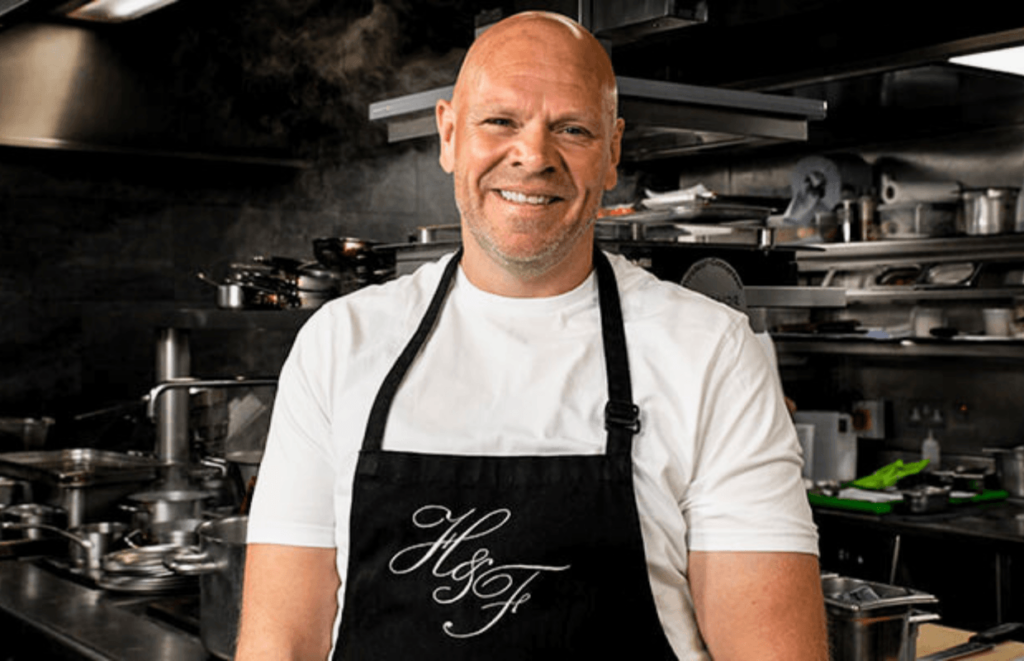
Tom Kerridge has called VAT an issue that affects the whole sector. The campaign’s message isn’t just for fine dining, pubs, or independent restaurants. It’s presented as a shared concern for all hospitality businesses, from small cafés to hotels.
Kerridge has said that many venues need more financial breathing room just to stay afloat. Many hospitality leaders can relate to this. For most venues, profit isn’t about expansion or chasing big numbers. It’s what keeps the lights on, pays suppliers, supports the team, and keeps the business running.
The VAT’s the Problem campaign highlights the side of hospitality that guests rarely see: paying bills, balancing staff schedules, handling repairs, managing energy costs, and all the conversations that happen before opening.
VAT’s the Problem: where does the Government stand?
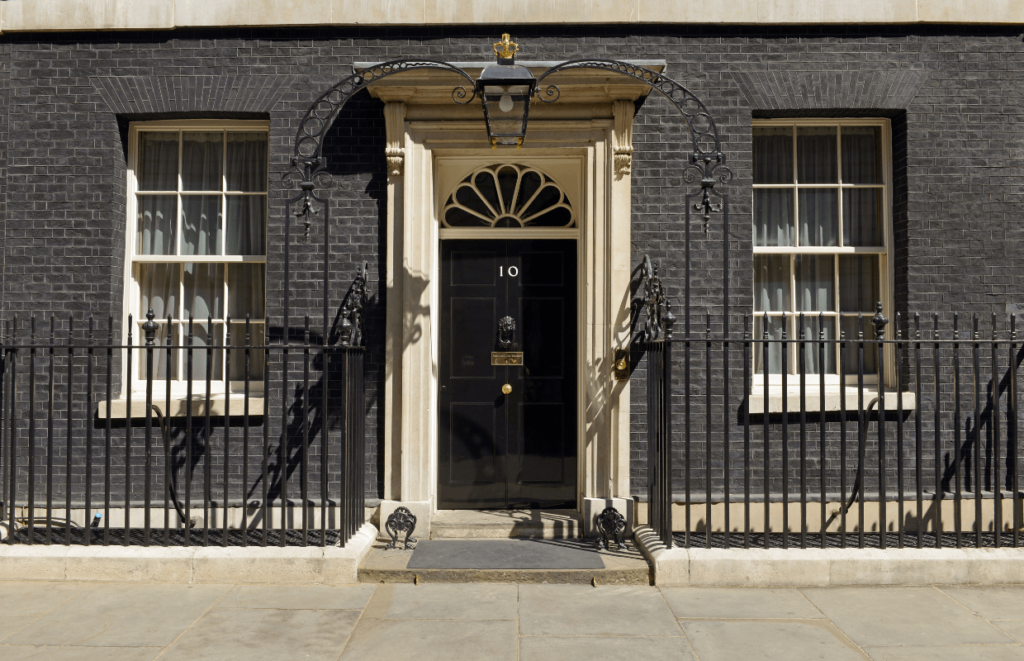
The campaign has already reached Westminster. According to The Caterer, Keir Starmer was asked about the ‘VAT’s the Problem’ campaign during Prime Minister’s Questions on 10 June. He did not directly back the call for a wider hospitality VAT cut, instead referring to a temporary summer VAT reduction on children’s menu meals.
If the government chooses not to act on the campaign’s request, industry leaders and organisations have indicated they will continue to raise awareness, engage with policymakers, and encourage even broader participation from hospitality businesses and consumers. This may include ongoing petitions, targeted lobbying, and further public campaigns to keep the issue at the forefront. The industry is committed to maintaining momentum until real progress is achieved.
So, the campaign is still working to secure broader VAT relief for hospitality before the 1 July consumer launch.
For hospitality businesses and teams, the next few weeks are important. The campaign is using this time to show industry support before the message goes out to consumers.

How can hospitality get involved before 1 July?
The VAT’s the Problem campaign is asking hospitality leaders, teams and organisations to add their names before the consumer launch on 1 July. Those who want to get involved can:
- Sign the petition
- Share the campaign with their teams.
- Add the campaign link to emails, websites or social media.
- Use the campaign toolkit.
- Prepare to talk to customers when the consumer launch begins.
Every venue relies on its workforce. Every service depends on a team. And every strong hospitality business needs the right conditions for people, careers, and communities to thrive.
Those who want to add their name can sign the petition before the campaign launches to consumers on 1 July. Simply visit the campaign website by clicking the image below or scanning the QR code, then fill out the quick online form with your name and email to show your support.