With Michelin phasing out its Green Star in favour of a broader editorial approach, the spotlight on hospitality’s top sustainability recognition has shifted. For venues like Pythouse Kitchen Garden, the accolade remains meaningful, serving as a reminder to look beyond the badge toward the values, purpose, and strong identity that prompted recognition at the highest level.
That is what stands out most when speaking to Head Chef, Darren Broom.
While the Green Michelin Star is significant to Pythouse, Darren sees it as more than recognition. He describes “a deep authenticity to cooking something of the moment, that can’t be replicated anywhere else.”
That sense of authenticity runs through everything.
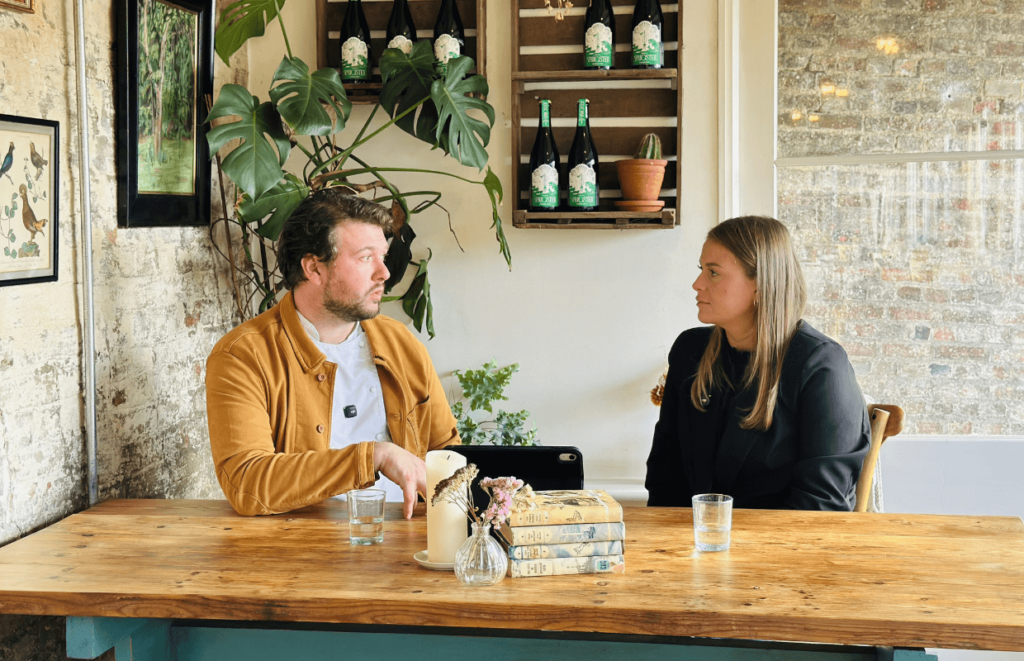
Pythouse Kitchen Garden and the story beyond the Green Michelin Star
Awards act as shorthand. They signal that a venue operates at a certain level and help people quickly place a business.
The strongest venues rarely revolve solely around awards. More often, recognition follows because of the underlying substance
The venue gives that impression. Darren honestly reflects on earning the accolade. There was relief, but also the sense that recognition followed the team’s ongoing commitment. He says it was “really fulfilling to feel that the effort was warranted and heard,” but also that “we hadn’t had to do anything really different. We just had to put it out there.“
That feels especially telling.
The Green Michelin Star matters, but what makes the restaurant notable is that its standards have always seemed to be present.
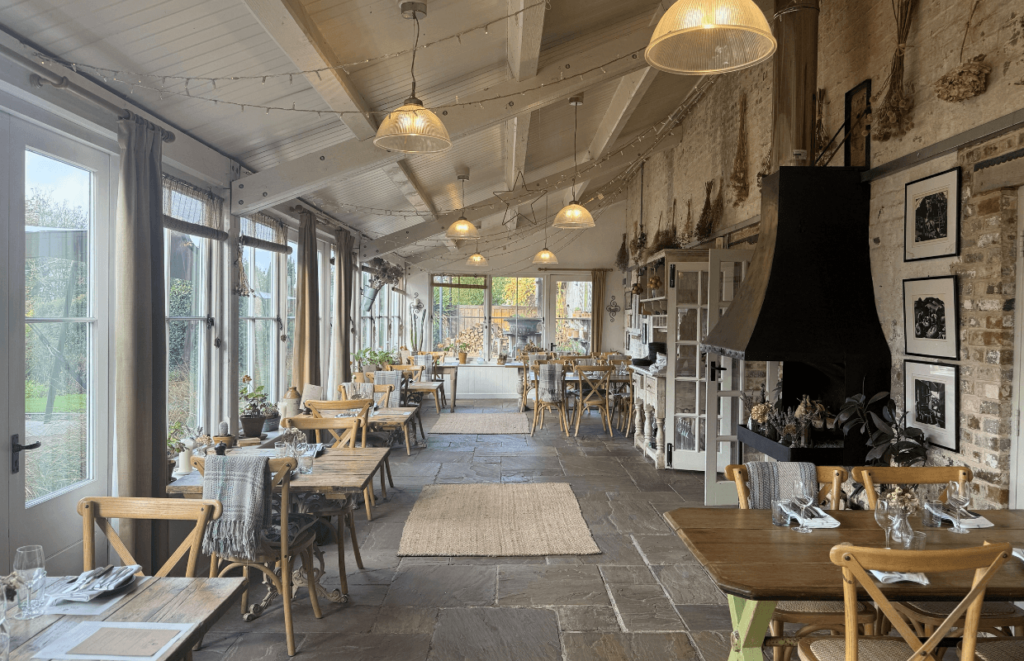
Why authenticity matters at Pythouse Kitchen Garden
One of the strongest themes in Darren’s interview is the link between sustainability and authenticity.
Not as a buzzword or trend, but as something deeply embedded.
He describes it powerfully: “I think sustainability is kind of like the real sense of authenticity.” He also wants to create food that “feels of the moment”, “can’t really be replicated anywhere else” and reflects “the seasons” and practices “in and outside of the kitchen”.
That is a huge part of what makes this venue feel distinctive.
There’s a difference between restaurants that use sustainability language and those truly shaped by it. Here, that mindset feels integral to the core identity.
And that is a much more interesting story than any badge alone.
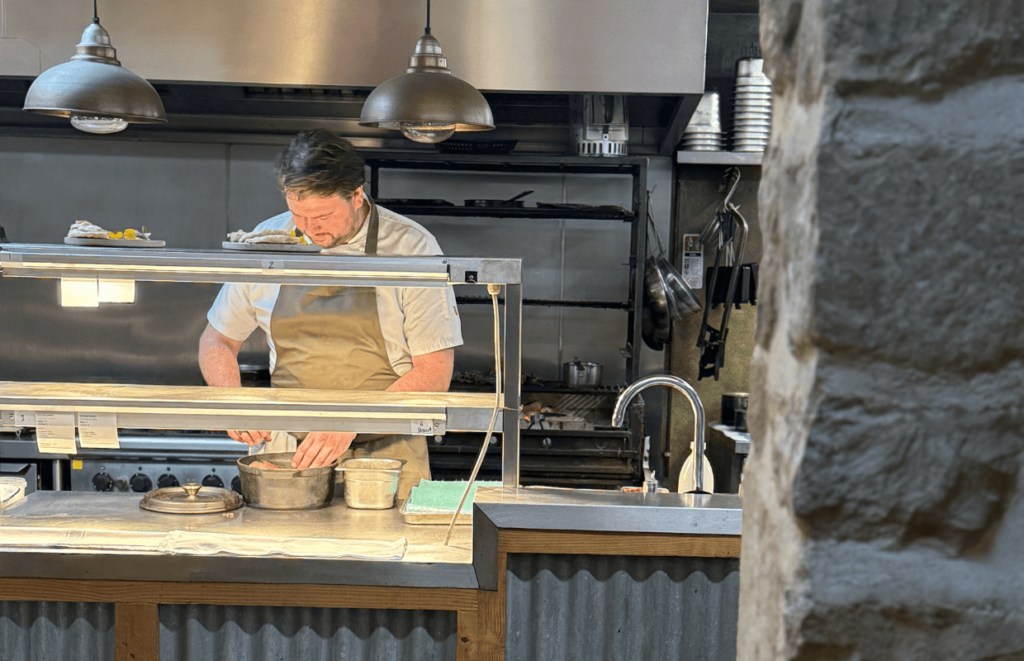
How purpose shapes the business
Another thing Darren speaks about brilliantly is the relationship between purpose and creativity.
People often assume creativity comes first, followed by structure. Darren’s experience suggests otherwise: a clear purpose provides a focus to build around and makes creativity more meaningful.
Looking back on formative parts of his career, Darren says one venue “had a real sense of purpose”. From there, “once that’s there, then that sort of box is ticked, then you actually get to do the fun creative part.”
That feels like a useful way to understand the restaurant’s approach.
What stands out is that Pythouse’s values help define its identity, creating coherence between menu, place, and experience. In hospitality, that coherence matters. Guests may not name it, but they sense when a venue is sure of itself.
It gives the impression of being that kind of place.
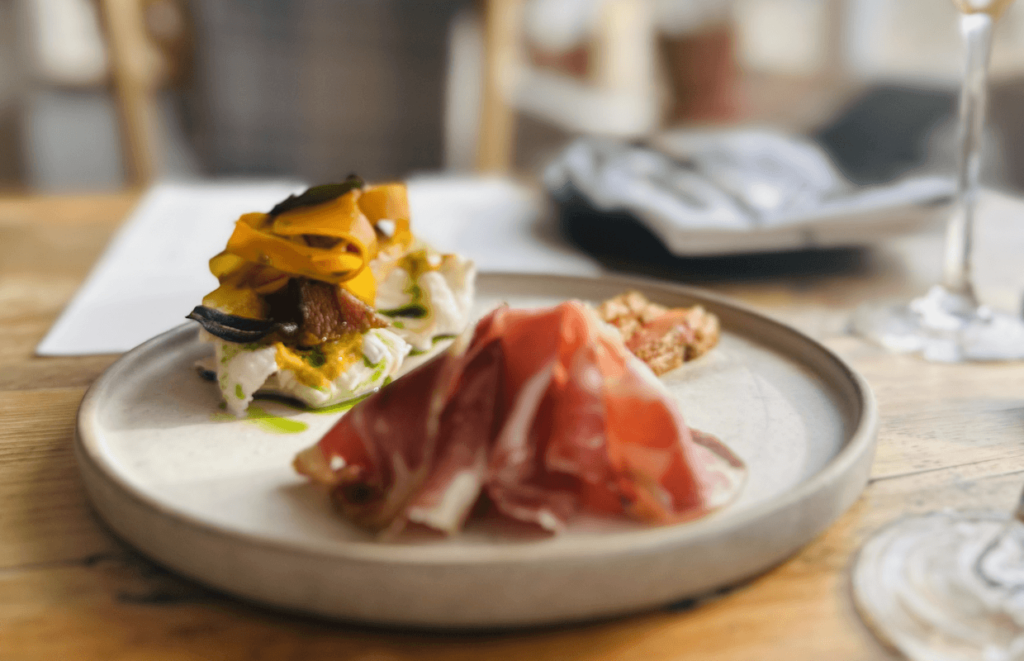
The thinking behind the restaurant
It is also refreshing that Darren is not interested in imposing a language on what the restaurant does.
In a world where hospitality terms lose meaning through overuse, his approach is measured and self-aware. He says, “We try not to use the word sustainability too much because it’s become a bit like organic, it’s sort of lost context a bit.”
He sees hospitality as a craft. The hard work includes early mornings in the kitchen, slicing vegetables, carrying crates of clean cutlery, counting linen late at night, or checking in guests with a smile after a long shift. It’s about practising the reservation process until it’s smooth and learning every detail of dinner service.
Instead of relying on a catch-all label, Pythouse focuses on how its values play out in its suppliers, ingredients, boundaries, and daily decisions. Darren explains they use terms like “low impact or regenerative” and assess if suppliers are truly “living and working within their means.”
That quiet confidence feels important.
It suggests a venue more focused on substance than performance, and more on doing the work than just naming it.
What the Green Michelin Star revealed about Pythouse Kitchen Garden
Perhaps the clearest example of that mindset is Darren’s description of how guests experience the venue itself.
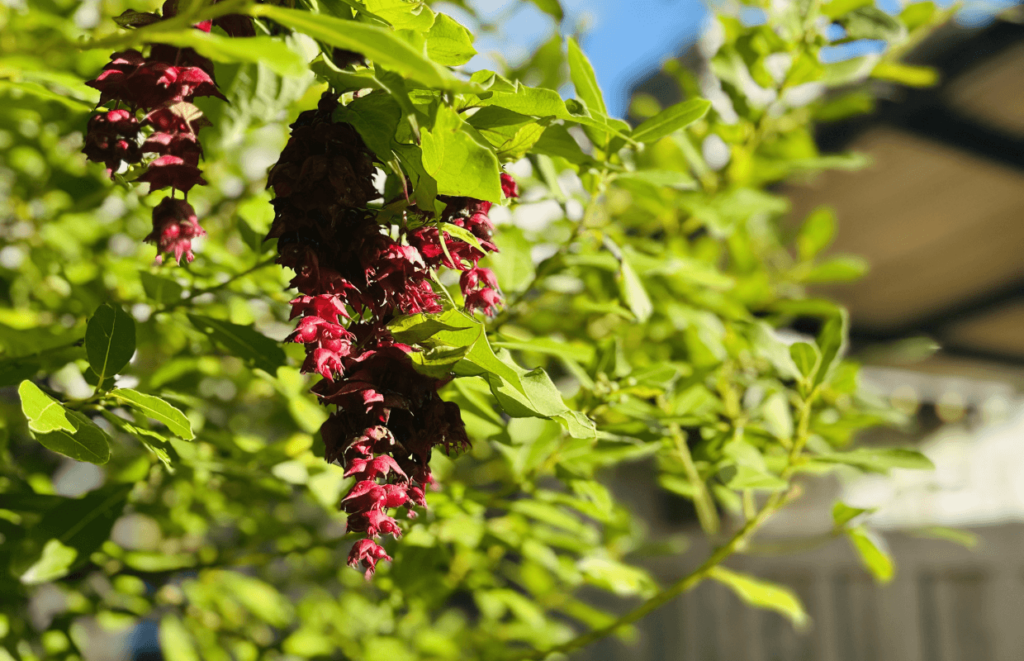
At Pythouse, the philosophy is clear in the experience. The setting, garden, growers, and kitchen form one connected whole. Darren says, “When you’re here, you can hopefully just see that marriage of what we’re doing in here and how that ties into the outside.”
That line gets to the heart of it.
He goes even further when talking about why they moved away from evening service: “when it’s dark you don’t get to see that and you sort of lose the magic as to why” and “you’re missing like 85% of the why you’re doing it.”
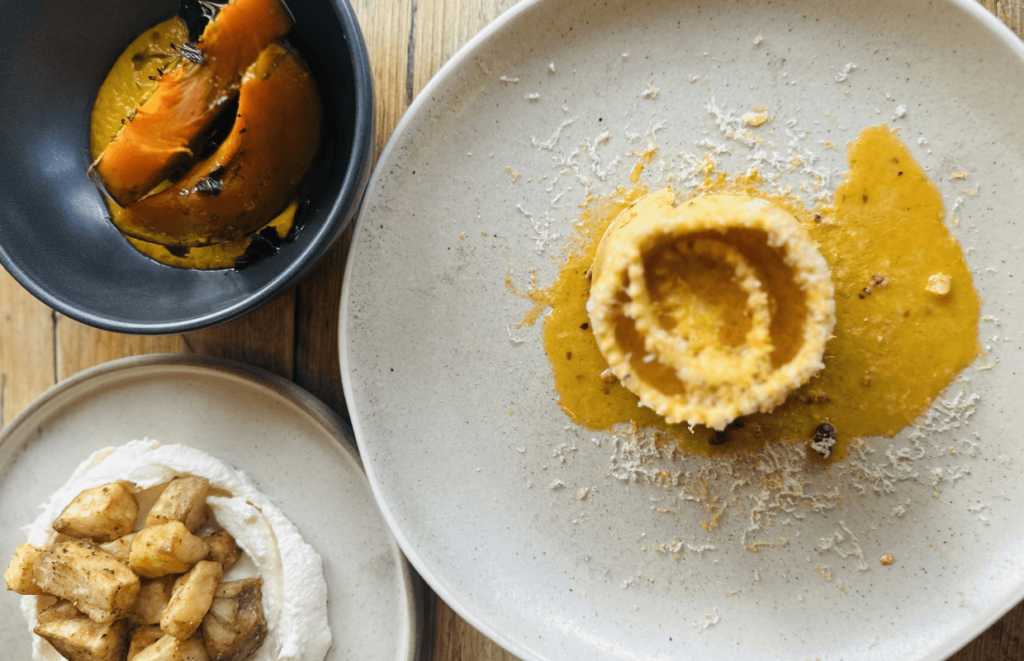
This detail reveals what truly sets this restaurant apart: not just the food, but the visible connection between place, process, and experience. Guests aren’t told what matters; they notice it for themselves.
And that is exactly why that thinking still matters, with or without the continuation of a specific accolade.
The venue’s quality does not begin or end with a symbol, but lives in the standards, choices, and clarity of purpose that shaped it.
Closing thought
Beyond the Green Michelin Star, Pythouse Garden Kitchen stands out for authenticity, intent, and a grounded way of working.
For Darren, the aim is for guests to experience something “truly of the moment”. Something unique each time.
That is what makes the story worth telling.
The main takeaway? The team built something recognisable and memorable before any green clover was given.
Great hospitality businesses are shaped by more than accolades alone. They are shaped by people, standards and a clear sense of purpose. At Platinum Recruitment, that is exactly the kind of hospitality story we love to stay close to.
To hear more from Darren Broom, you can catch up on the full Hospitality Blueprint interview series on YouTube below.
Useful links: Pythouse Garden Kitchen Website
Let’s Talk Hospitality
Whether you’re exploring your next hospitality role or looking to strengthen your team, we’d love to hear from you.