Mark Bennett owns the award-winning Patisserie Mark Bennett, and he’s one of Dorset’s best-known bakers.
We sit down with Mark to find out where it all began, what shaped his career and business, and what success truly means to him today. What does he want to talk to us about first? It isn’t the trophies or the awards (there’s been a few). It’s a piece of royal icing sitting in the National Bakery School in London. It’s been there the better part of eighty years, and most people walk straight past it.
A baker named Ronnie Rock made it. Mark never met him, but as he talks, it becomes clear the man has shaped his career anyway.
Patisserie Mark Bennett: Where it all Began
From the moment we step into Mark and his wife Emma’s beautifully curated family home, I can see where the care in his cakes comes from. They show us their Japanese-style garden first, koi ponds and all, the fish themselves looking every bit as award-winning as their owner. Inside, we settle in the open-plan living room, decorated with as much thought as Mark’s baking. His home office sits tucked into the corner, an antique baker’s table serving as his desk, a quiet nod to the trade that has shaped him.
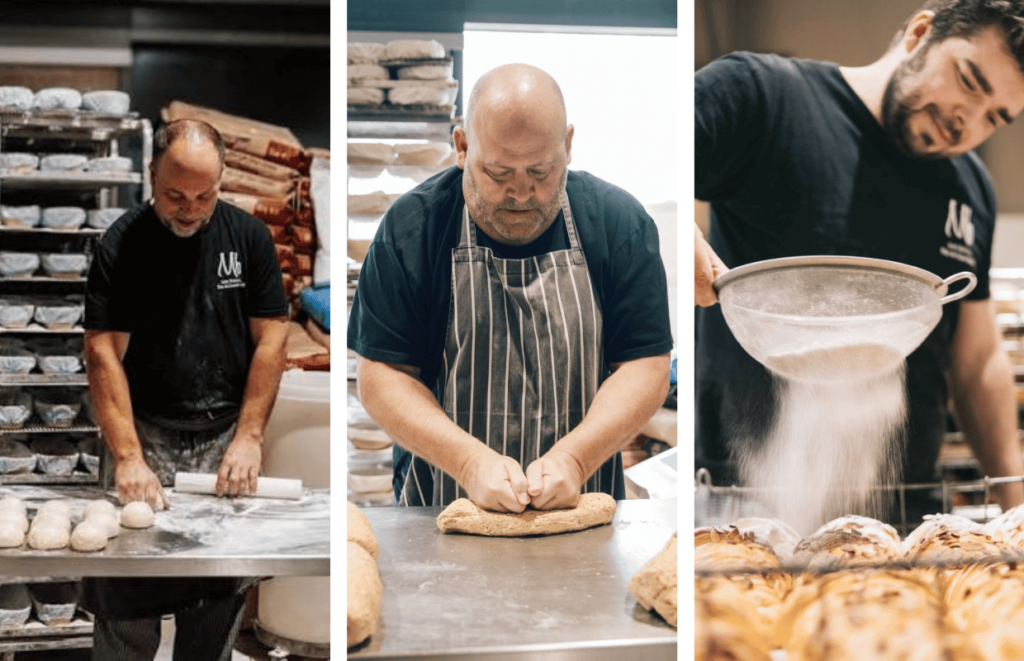
One of the first questions we ask Mark is whether he chose baking or just ended up in it. He gives us a small laugh, as if the question answers itself. He’s a third-generation baker, and nobody ever really asked him if that’s what he wanted. He started doing odd jobs in the family bakery around age 13, mostly washing up, and by the time he left school, baking was just what he did. Nobody sat him down and talked it through. It was basically decided before he had much say.
Mark went to college in Southampton one day a week, and spent the other six working in the bakery. For that first year, none of it really landed. He wasn’t sure baking would be his life.
Then one day he sat in class, stared out the window, and something just clicked. He remembers the thought almost word for word: you’re not really going anywhere here, are you?
That’s when he decided to stop dabbling, pick one thing, and get really good at it.
Choosing a Speciality, and a Hero
Mark’s father was a talented cake decorator, so he went in that direction too. But as he talks about it, it’s clear it wasn’t just about following in his father’s footsteps. He wanted to be the best.
He threw himself into it. Two years later, he was British champion in both wedding and birthday cake decoration, and still a teenager when it happened. Remarkable by anyone’s standard, but Mark mentions it the way you’d bring up something so old it’s stopped feeling like news.
The big turning point, he says, was a man named Eddie Spence, a decorator who, by Mark’s account, was known worldwide. Mark met Eddie at local competitions, and Eddie took a liking to him, ending up teaching Mark things that usually take years to pick up, the kind of tricks that aren’t handed out for free. Mark had it all inside six months.
Mix that with raw talent and a lot of enthusiasm, and, as he puts it, “it just flew.“
Listening to him, I can’t help thinking this kind of story feels harder to come by these days. Apprenticeship numbers across UK trades have been dropping, and people in the industry keep talking about a widening skills gap. A setup like Mark’s, one day a week at college and a master craftsman willing to teach him, feels less like a nice old story and more like something worth paying attention to.
The Rival His Father Never Beat
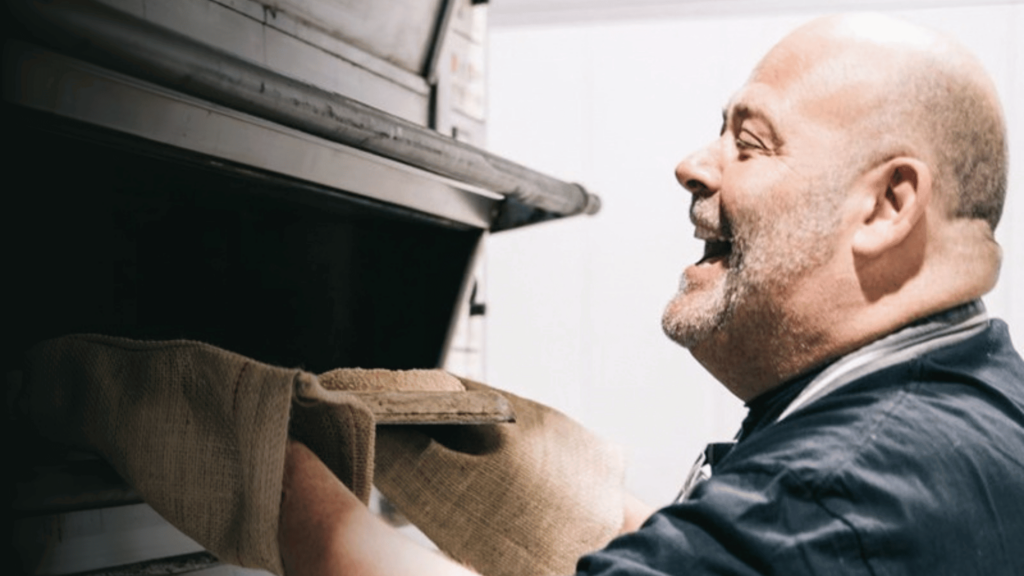
Mark’s dad used to compete against a baker called Ronnie Rock. Rock became something of a hero to Mark too, based solely on what he heard, because Mark never actually got to watch him work. Rock died in his late 40s, long before Mark could see him decorate a single cake.
Except that’s not quite the whole story. One piece of Rock’s survives: a royal icing piece, 70 or 80 years old now, kept at the National Bakery School. People used to tell Mark he was the closest thing to Rock they’d seen.
Then Mark saw the piece for himself.
“No, you’re not,” he remembers thinking, and he says it with a small shake of the head, like the memory still stings a little. Rock’s work was close to perfect. Mark couldn’t find a single fault. He was close, maybe. But not nearly as good.
I try to picture it: a British champion who’s gone on to win hundreds of gold medals and make cakes for the royal family, and he’s still humbled by a bit of icing made before he was born.
From Baking Champion to Business Owner
Winning British champion as a teenager didn’t come with a business attached, Mark states. That came later, and it took some work.
When he decided to go out on his own, financial funding wasn’t easy to come by. It was a friend, not a bank, who backed him in the end, someone who saw real potential in what Mark was creating. That belief in the man behind the business case, he says, is what opened the doors.
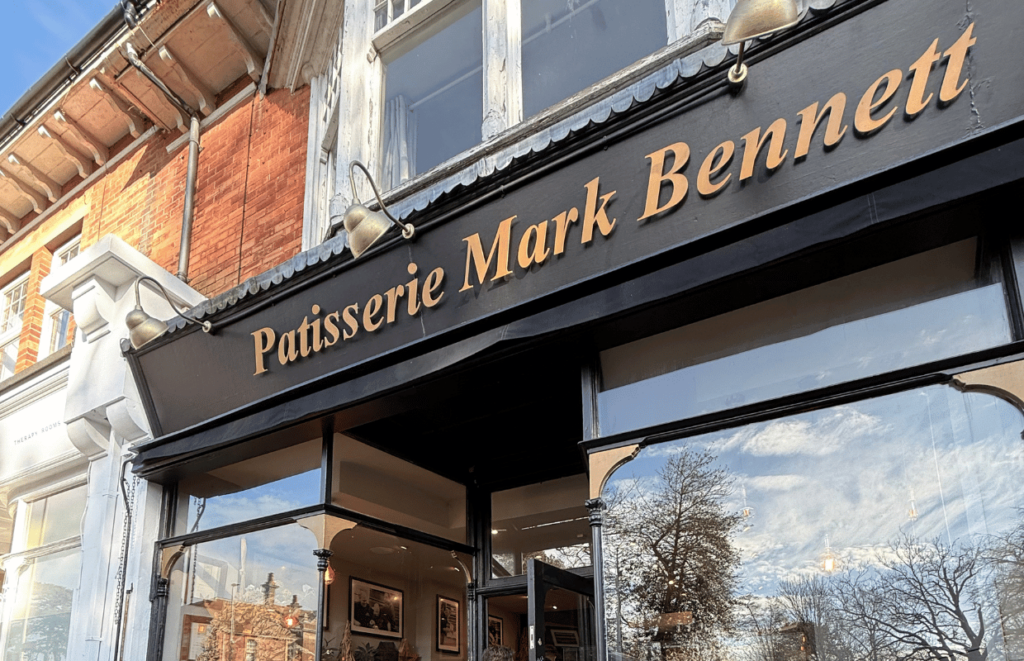
Once they were open, there was no easing in. He calls it an instant success, which really just meant 18-hour days from day one. He and one colleague did the baking and the admin: they would finish a full day’s work only to sit down and write the next day’s list – no slow build-up, just straight into it.
Six Shops, 76 Staff, and Counting
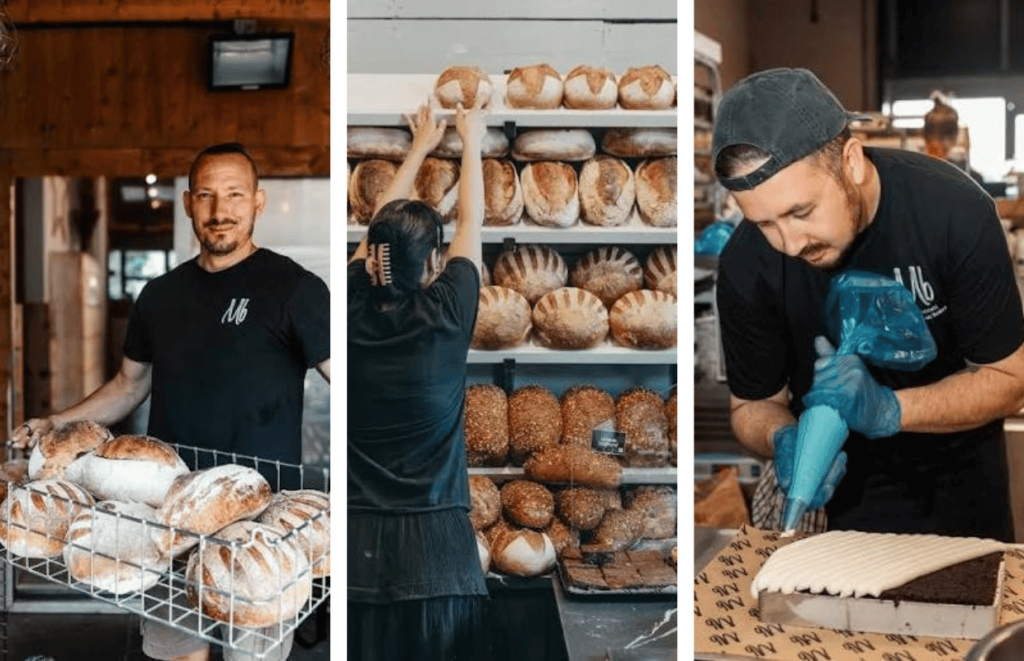
That first small shop in Penhill filled up faster than it could seat people, queues spilling out onto the pavement some mornings. So Mark did the thing ambitious people do when something’s working too well to handle: he built more of it.
It worked. Patisserie Mark Bennett grew from one shop to three within the first year alone, and it’s since grown to six, with 76 staff, 15 of them bakers. Not bad for something that started as one man and one friend doing everything themselves. Mark just shrugs, as if the numbers stopped feeling remarkable to him a while back.
It’s part of a bigger picture too, in a way. Independent bakeries across the UK have grown by roughly a third over the last five years, and a lot of that traces back to lockdown, when half the country suddenly discovered sourdough and never quite gave it up. Mark’s story, one shop turning into six, isn’t so different from what’s happened on UK high streets since.
When asked how he manages six shops and still finds room to be creative, he doesn’t talk about systems or franchise playbooks. He talks about people. It’s the same thing that made Eddie Spence hand over years of hard-earned knowledge to a kid he barely knew: find people worth trusting, and trust them.
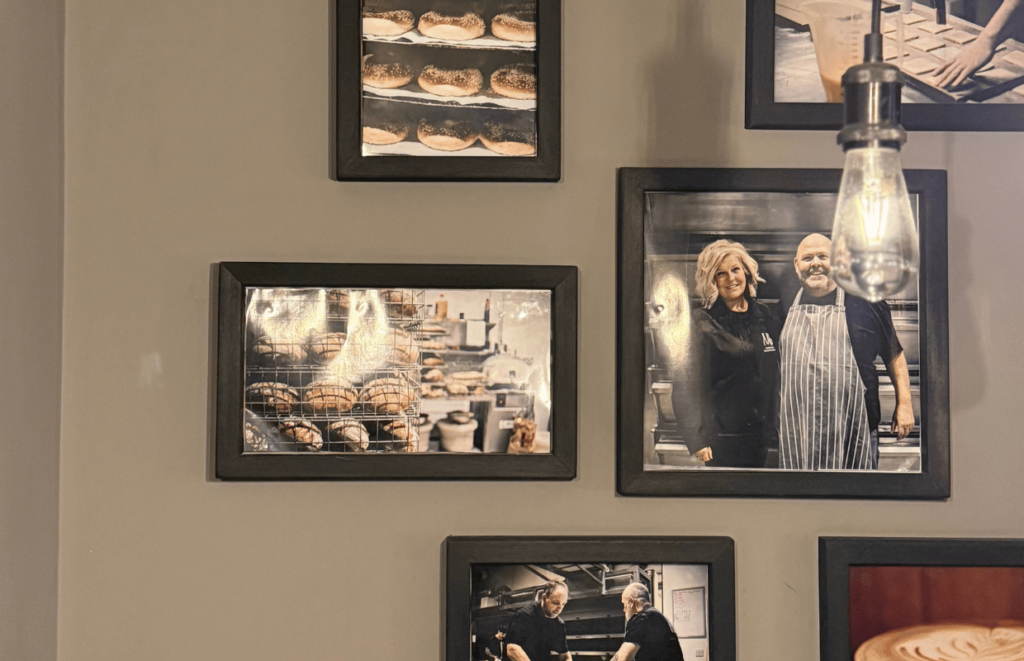
Patisserie Mark Bennett and the Cherry on Top
Ask Mark to sum himself up, and he doesn’t lead with the CV, even though there’s plenty there to talk about. Teenage titles, more gold medals than he could probably count off the top of his head, cakes made for the royal family, six busy shops.
Instead, he talks about customers on their way out the door, saying things like, “That was great,” “I really enjoyed that,” and “Thank you very much.”
“That’s fulfilment now,” he says. “It comes from customers, not the awards and the winnings and the shows.“
He admits the awards still matter to him, and isn’t shy about it. He calls the recognition ‘free publicity,’ a bit of “bubblicity” that helps the business without costing anything in advertising. Mark likes winning them, genuinely, he says. But he was clear they’re not really the point. Recognition these days is much simpler: someone walking in, having a good time, and meaning it when they say so on the way out.
The medals are the easy part for Mark to talk about. It was the friend who handed over the money that changed his voice; mentioning it unprompted, like it still surprises him that someone did that. I left thinking about that more than the gold medals or the royal cakes. A man who’s achieved almost everything in his field, and the moment that still gets him is somebody believing in him before he’d proven anything.
If you’re ever near the National Bakery School, it’s worth a look at that old piece of icing Mark still can’t fault. Or just go to one of Patisserie Mark Bennett’s shops instead. There are six to choose from!
You can catch our full interview with Mark Bennett, in bite-sized videos, over on YouTube now:
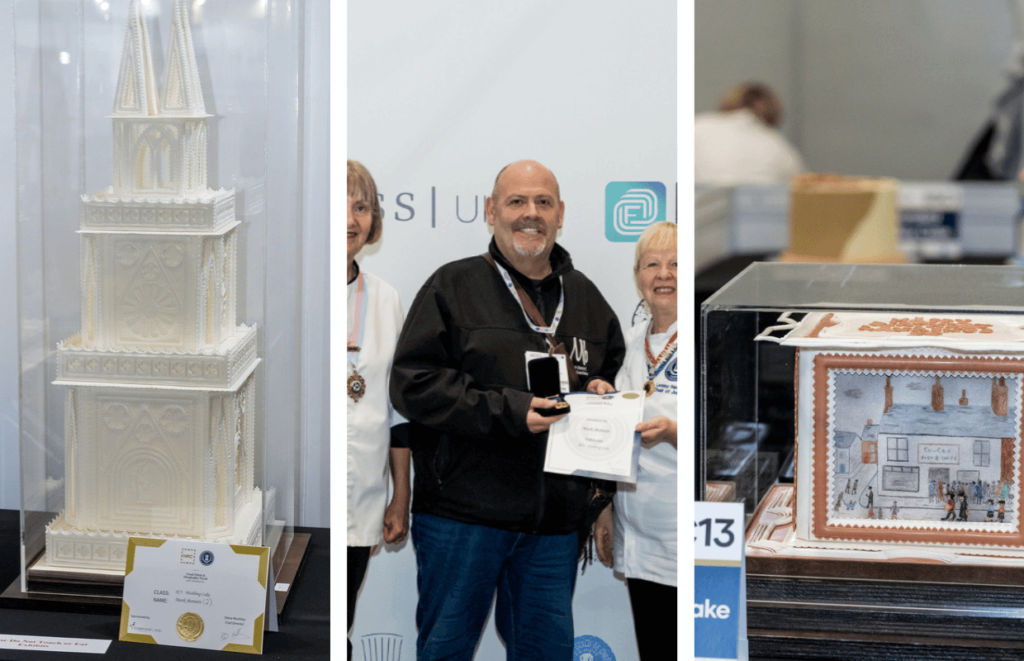
Shortly after interviewing him, Mark entered the International Salon Culinaire in London and came away with four Gold Medals, one in every class he entered, plus a Best in Class win:
- Works in Sugar (Cathedral): Gold Medal
- Two-Tier Wedding Cake: Gold Medal
- Single-Tier Wedding Cake: Gold Medal
- Birthday Cake (Lowry): Gold Medal and Best in Class
More ‘bubblicity,’ as he calls it. Though, knowing what he told us, it’s probably the customer on a Saturday morning, walking out happy with a cake in hand, that matters most to him.