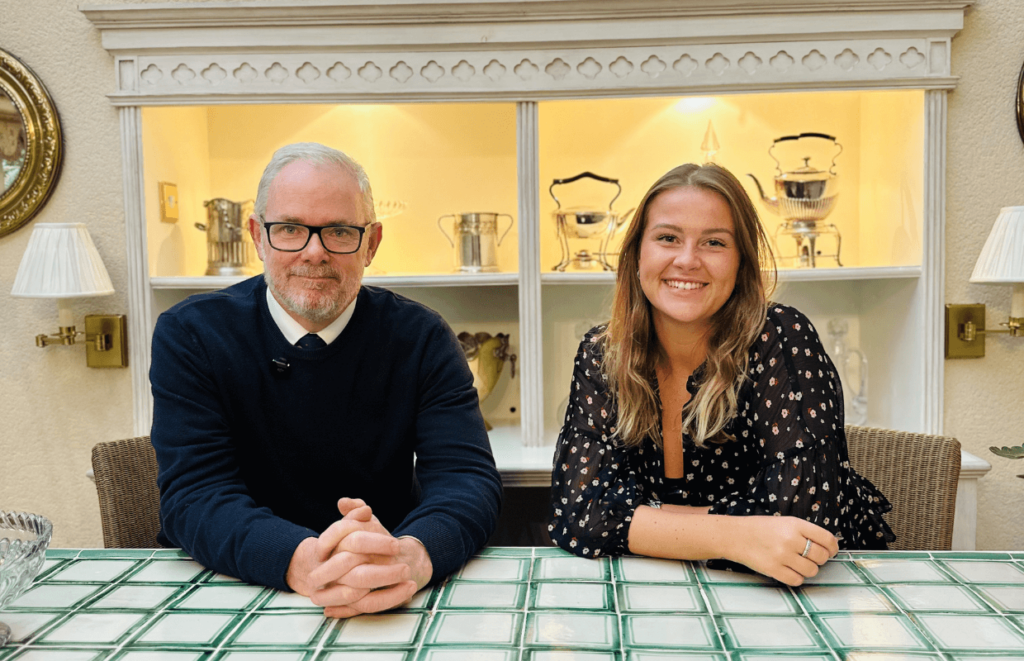
A Conversation about Hospitality Leadership with Summer Lodge GM, Jack Mackenzie
In today’s fast-paced hospitality industry, leaders may struggle to connect with their teams and improve retention. This article offers insights into modern hospitality leadership tactics for building teams that not only survive but also thrive. Specifically, we will explore practical strategies such as daily team huddles to enhance communication, the ‘three-at-lunch’ framework for personalised engagement, and methods to foster empathy in leadership.
These actionable tactics, drawn from the real-world experiences of successful hospitality leaders, will help you create a supportive environment that boosts team morale and retention.
Today, leadership is less about operations and more about people. Success depends on connecting with your team in meaningful ways. In hospitality:
- The pace is faster.
- The pressure is heavier.
- And the margin for getting leadership wrong is smaller than ever.
For Jack Mackenzie, General Manager at Summer Lodge Country House Hotel, the biggest shift isn’t operational — it’s human. “If you’re not in touch with your team and their needs, you’re heading nowhere.” That single sentence captures the reality many senior hospitality leaders are living through right now.
Hospitality Leadership in an Unpredictable Industry
“Great leadership now is flexibility.”
For decades, hospitality relied on rhythm and routine. Seasons were predictable. Staffing plans held. Leaders could plan months ahead with confidence. However, recent data reveal a stark change: post-pandemic turnover rates in the hospitality sector have soared by 30%, underscoring that unpredictability is now the norm. This shift underscores the urgent need for adaptable leadership strategies to effectively manage a more volatile workforce environment.
“If there’s one thing that life is now, it’s unpredictable.” Jack reflects that it’s no longer realistic to expect days — or even hours — to go to plan.
In this environment, rigid control-based leadership simply doesn’t work. Flexibility has become a core skill, not a nice-to-have. One practical step leaders can take is to implement a daily five-minute team huddle. This micro-practice encourages open communication, allows team members to express immediate needs and concerns, and demonstrates real-time adaptability. It’s a tangible way to embed flexibility into everyday operations, transforming it from a mere concept into an actionable strategy.
Start with one daily huddle this week and adjust based on team feedback. Additionally, maintaining open-door hours can further cultivate a culture of approachability and prompt problem-solving. This practice encourages team members to share their thoughts and issues freely. Another effective strategy is conducting regular feedback rounds in which employees are invited to share suggestions and concerns in a structured setting.
These additional micro-practices provide further opportunities for leaders to demonstrate flexibility and responsiveness, reinforcing a supportive team environment.
Why Retention Is Harder Than Ever
“…maintaining a team — wow, it’s a challenge.”
One of the most profound changes in hospitality since COVID has been the shift in the balance of power between employers and employees. Employees now value mobility for several key reasons:
- the ability to prioritise their well-being
- seek pay equity,
- and find a sense of purpose in their work.
Understanding these drivers is crucial because they underscore the need for retention strategies that are adaptable and responsive to the evolving workforce’s needs. “People know that they have the whip hand — that they can walk out of a job today and walk into a job tomorrow.”
And while this shift is positive for team members, it presents a real challenge for those responsible for building and maintaining stable teams.
“In terms of keeping a team and building a team and maintaining a team — wow, it’s a challenge.” What’s clear is that people are no longer willing to persevere in environments that don’t feel right. Jack goes on to explain, “There’s no reason for them to persevere with something that maybe 10 or 15 years ago they probably did.”
Why Empathy Is No Longer Optional
“The building doesn’t function without your team.”
When asked to describe his leadership style, Jack chose three words: “Practical. Collegial. Empathetic.”
Empathy, in particular, is essential to modern hospitality leadership, he says.“If you’re not in touch with your team and their needs, you’re heading nowhere.” He’s clear that teams don’t function like machines and leaders who treat them that way quickly lose credibility.
“Everyone’s in a different place at a different time.” Hospitality may be about buildings, systems and service standards — but none of it works without people.
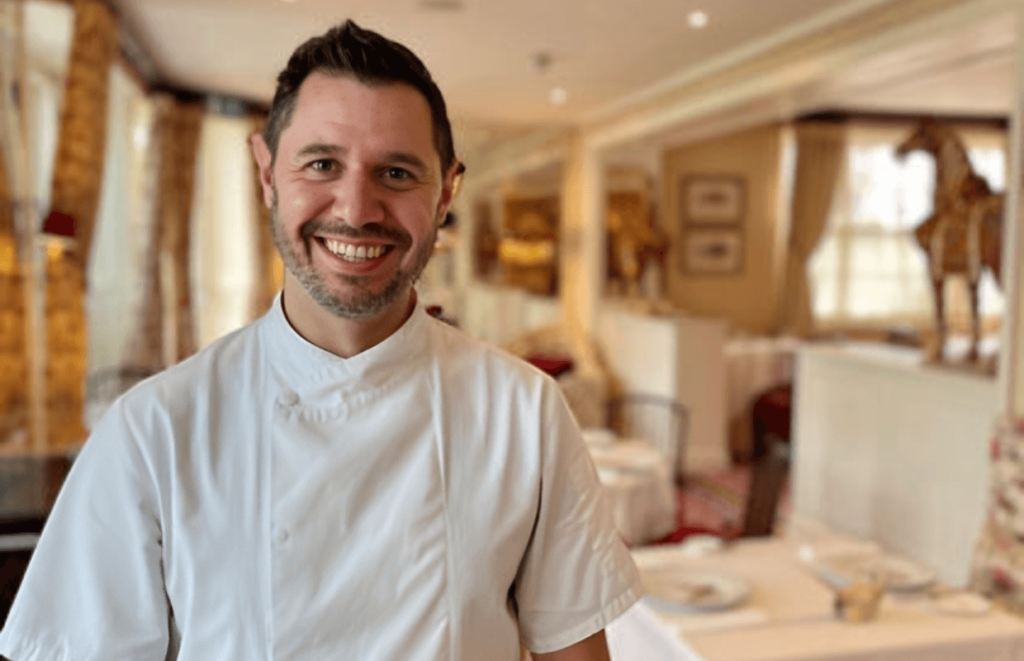
Leading by Example (Not Job Titles)
“People need to see senior management doing the things they’re doing.”
One of Jack’s strongest beliefs is that leadership isn’t about hierarchy; it’s about visibility. “You’re as likely to find me in my office as I am clearing a table, or engaging with a guest, or washing some dishes.”
There’s one phrase he has little patience for: “Anyone who says to me ‘that’s not my job’ will just blow me up.” Why? Because behaviour at the top sets the tone for the entire operation.“People need to see senior management doing the things they’re doing.”
This approach fosters trust, stability, and a team culture in which people support one another rather than retreat into job descriptions. “If everyone does that, it’s easy to have a very stable and happy team.”

Retention Is Built on Feeling, Not Policy
“The greatest gift you can give anyone these days is time.”
When it comes to keeping people, Jack doesn’t talk about perks or incentives. He talks about connection. “You really have to know these people and know what drives them and motivates them.” That means time, presence, and genuine interest — not surface-level engagement. “The greatest gift you can give anyone these days is time.“
To help managers provide this gift of time more effectively, consider using a consistently applied framework. For example, managers could implement a ‘three-at-lunch‘ rule, dedicating regular lunch meetings to three team members each week, rotating them through the team. This ensures that every team member receives dedicated face time, which helps in understanding their motivations and concerns.
For larger teams or those with shift-based structures, the framework can be adapted by spreading these meetings over multiple days or involving multiple managers in tandem sessions. This approach ensures that, regardless of team size or operational constraints, the principle of personalised engagement remains intact.
Investing time matters because people recognise when leaders are just going through the motions. “People are not stupid. If all you want to do is finish the conversation and walk away, that’s not exactly hard to see.“
The Reality for Hospitality Leaders Today
“If you can’t understand where your team is at, you’ll lose touch.”
Hospitality leadership has always been demanding, but today it requires a deeper level of emotional awareness than ever before. The fundamentals haven’t changed. Hospitality is hospitality. The principles are unchanged. However, balancing these principles with the competing priorities of cost control and guest expectations often stretches leaders’ emotional availability. They are tasked with making difficult trade-offs that can compromise their ability to be fully present for their teams.
Understanding and navigating these conflicting demands is crucial, as it highlights the need for nuanced strategies. When leaders acknowledge these challenges, they are better equipped to address them and provide the supportive environment that keeps teams thriving. “If you can’t understand where your team is at, you’ll lose touch. Once that connection is lost, no rota, policy or pay rise will fix it.”
Here’s how to balance business needs and team needs effectively:
- Communicate the “Why”: When business decisions affect the team, clearly explain the rationale. Transparency builds trust, even when changes are challenging.
- Involve the Team in Problem-Solving: Invite input on how to meet business goals without sacrificing morale. For example, ask for suggestions on optimising schedules or processes that respect both operational and personal priorities.
- Set Clear Priorities: When demands conflict, outline what’s non-negotiable for the business, but also identify areas where you can be flexible for the team.
- Empathetic Decision-Making: Acknowledge when choices are tough, and validate team concerns. Show that you’re weighing both perspectives before making a call.
- Debrief After Busy Periods: After high-stress times, gather the team to discuss what worked, what didn’t, and how you can better balance business and personal needs going forward.
By proactively addressing both sides of the equation, you demonstrate leadership that values results and relationships equally.
Hospitality Leadership: Final Thought
Strong hospitality teams don’t stay because the job is easy. They stay because they feel supported, understood, and valued. Or as Jack puts it: “We are a people business.“
As you prepare for tomorrow’s shift, consider starting a simple connection by asking one team member for feedback on how the team can better support their role. This small, specific action can ensure each team member feels valued and heard.
Ignoring the ‘people business’ mantra can lead to missed opportunities. For instance, failing to engage your team could quickly lead to a drop in guest satisfaction, which directly impacts your establishment’s reputation and profits. Additionally, high turnover costs not only strain your budget but also degrade service quality, creating a cycle that can be difficult to break.
To effectively monitor the impact of your leadership changes, consider tracking basic metrics such as team turnover rates or guest satisfaction scores. These metrics provide quantifiable feedback on your efforts, helping to maintain motivation and focus on continual improvement.
In 2026, leadership that forgets the importance of individualised support is simply heading towards a future without direction.
Want to learn more? Watch the 4-part mini interview series with Jack Mackenzie on YouTube now.