Hospitality jobs can take you in many different directions, which is part of what makes them interesting. For example, working a weekend bar shift might lead to a role in food and beverage management. Starting as a kitchen porter could be the first step toward becoming a chef. Even working at reception can eventually lead to managing a whole hotel.
Jack Mackenzie’s career is one real example. He began washing dishes in a hotel kitchen before becoming General Manager of five-star Summer Lodge Country House Hotel.
Everyone’s career path in hospitality is different. This guide looks at the types of roles you can find, how careers can grow, which qualifications might help, and what you could earn along the way.

What Progression is Available with Hospitality Jobs?
There isn’t just one way to build a career in hospitality. Some people stay in one department and become experts, while others move between teams, venues, or even different parts of the industry. The examples below show possible career paths, but there’s no single right way.
| Area | Example Progression |
| Kitchen | Kitchen Porter → Commis Chef → Chef de Partie → Sous Chef → Head or Executive Chef |
| Food and Beverage | Waiting or Bar Staff → Supervisor → Assistant Manager → F&B Manager → Operations or General Manager |
| Front Office | Receptionist → Supervisor → Front Office Manager → Rooms Division Manager → Deputy or General Manager |
| Housekeeping | Room Attendant → Supervisor → Deputy Head Housekeeper → Head or Executive Housekeeper |
| Events | Events Team Member → Coordinator → Events Manager → Head or Director of Events |
| Contract Catering | Catering Assistant → Supervisor → Catering Manager → Area or Operations Manager |
Moving up in hospitality doesn’t always mean becoming a general manager or director. It could mean becoming a specialist, leading a bigger team, trying a new type of workplace, or finding a role that better fits your strengths. Experience in one area often leads to new opportunities, so hospitality careers are usually more flexible than they seem.
From Work Experience to Hotel Director
Guy Freedman started in hospitality as a teenager working in a busy kitchen. Later, he worked on the restaurant floor and, after more than ten years, became Hotel Director at The Pig in Brockenhurst. His story shows that your first job doesn’t decide your whole career. Gaining experience in different parts of a venue can help you move into bigger leadership roles over time.
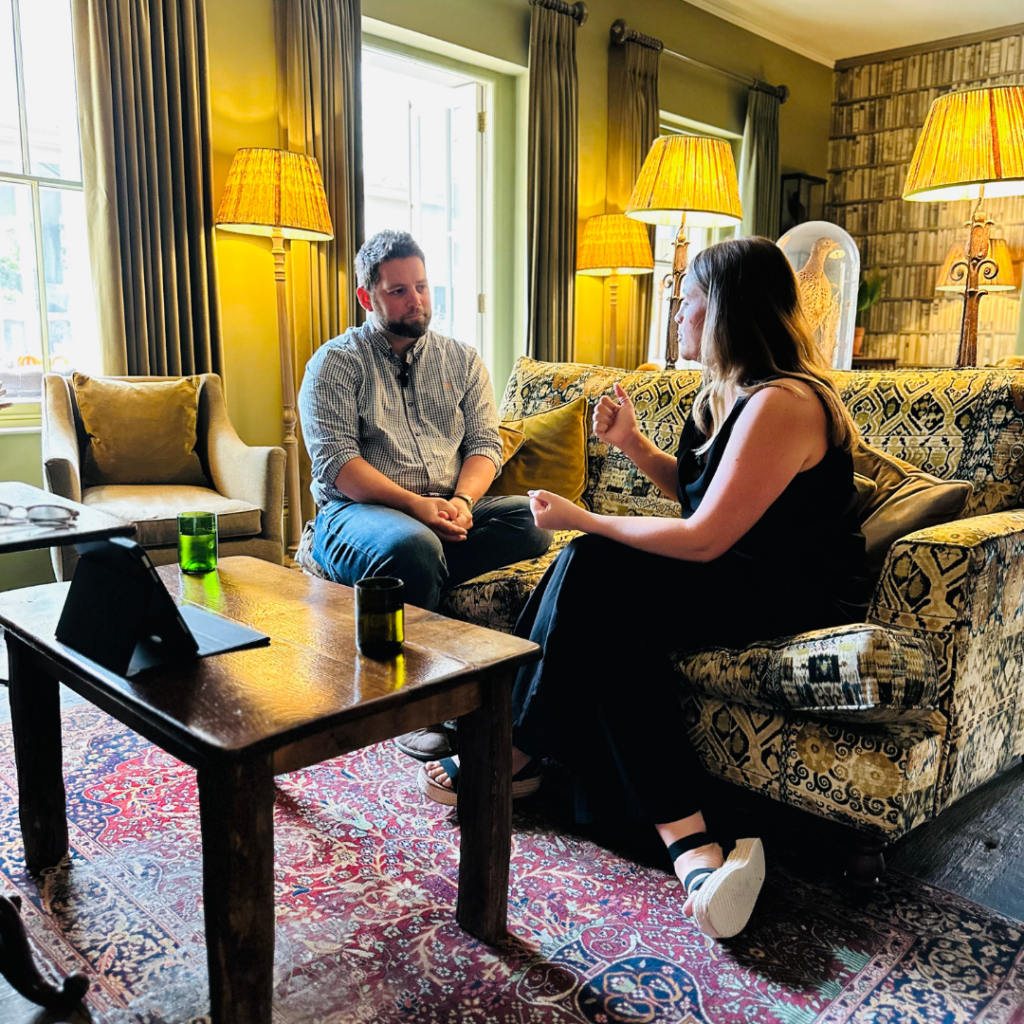
“The moment you think you’ve learned all there is to know is the moment you probably start to drop your standards.
So, constantly looking, learning, and listening is the biggest snippet I can give.“
Guy Freedman
Can Temporary Hospitality Work Support Career Progression?
Temporary jobs in hospitality are another way to gain experience without sticking to one set path. Working in different places lets you see new service styles, kitchen setups, teams, and standards, whether it’s in hotels, restaurants, events, or contract catering.
For some, temporary work offers flexibility to fit around other commitments. For others, it’s a chance to try out different hospitality settings, build experience, or find the kind of job and workplace where they do their best.
Each temporary job is different, so it’s not always a quick way to move up. Still, the wide range of experience you get can boost your confidence, help you meet new people in the industry, and make it easier to decide what you want to do next.
Browse our latest temporary hospitality jobs and discover where your experience could take you.

Entry-Level Hospitality Jobs
Most hospitality careers start with hands-on jobs, either working with guests or behind the scenes. These early roles teach you about the fast pace, high standards, and teamwork that are important throughout your career.
Front-of-House Positions (Waiter, Receptionist, Bar Staff)
These jobs put you right in the middle of things, greeting guests, solving problems, and sometimes handling more than you thought you could. Anyone who’s worked on a busy Saturday night knows how quickly things can change. Whether you’re waiting tables, mixing drinks, or working at reception, you learn skills you can’t get in a classroom: reading people, staying calm, and keeping your sense of humour when things get tough. These abilities are often just as important, if not more so, than official qualifications.
Back-of-House Positions (Kitchen Porter, Housekeeping)
Back-of-house jobs also offer good chances to move up and help you learn how a venue runs behind the scenes. Roles like kitchen porter, commis chef, housekeeping assistant, and maintenance show you how everything works together, not just what happens at the front desk.
Skills Employers Look for at Entry Level
For many entry-level hospitality jobs, employers care about qualities like reliability, good communication, teamwork, and being willing to learn, not just experience. It’s still important to put effort into your application. Take a look at our CV writing tips to help you stand out.

Mid-Level Hospitality Jobs
As you gain more experience, your hospitality career might move into leadership, specialist roles, or different departments.
As you gain more experience, your hospitality career might move into leadership, specialist roles, or different departments.
Jobs such as shift leader, floor supervisor, or duty manager are often the first step into leadership. In these roles, you learn to manage schedules, train staff, and make quick decisions. Moving into management is a big change because you’re still doing your own work while also looking after others.
Specialist Tracks (Chef de Partie, Events Coordinator, Concierge)
Not everyone aims to be a general manager, and that’s perfectly fine. Some of the top jobs in hospitality are specialist roles. For example, in the kitchen, you might move from commis chef to chef de partie, then sous chef, and finally head chef. In events, you could start as an assistant and work up to coordinator or manager. In guest services, you might begin as a concierge and move up to head concierge or guest relations manager.
Progression can also mean building the skills and influence to shape how a venue works. For example, at Pythouse Kitchen Garden, Head Chef Darren Broom leads the kitchen, garden, suppliers, and menu with a unique approach. The restaurant’s Green Michelin Star came from the team’s strong values and standards. His story shows that moving up can mean becoming a specialist and taking on more creative responsibility, not just moving into general management.
Cross-Training and Transferable Skills
Working in different departments helps you understand how a venue runs as a whole. This experience is useful if you want to move into operational or general management roles.
If you want to get cross-training experience, take the initiative. Ask your manager if you can help in another department during quiet times or volunteer to cover when someone is away. Let your supervisor know you’re interested in learning new skills during meetings or appraisals. Even helping out for a few hours can show your initiative and help you build a wider range of skills.

Management and Senior Roles
At this stage, the work is less about doing tasks yourself and more about managing people, budgets, and the overall operations that keep everything running.
Assistant Manager to General Manager Pathway
You could move from supervisor to assistant manager, then deputy manager, and finally general manager. Each step means more responsibility for budgets and less direct guest service. Some people enjoy this shift, while others miss the hands-on work. It’s something to consider before seeking a promotion.
Operations and Multi-Site Management
After proving yourself as a general manager, the next step is often moving into operations, where you oversee several venues instead of just one. This role requires different skills. Instead of dealing with daily problems, you compare how different sites are performing, look for trends, and decide where to invest resources.
Senior Specialist and Operational Roles
Senior roles in kitchens, hotels, or across multiple sites usually require a lot of operational and leadership experience, but there’s no set timeline for reaching them.

Qualifications and Training That Support Progression
You don’t need a degree to succeed in hospitality. However, getting the right training at the right time can create opportunities that experience alone might not provide.
Apprenticeships in Hospitality
In England, you can find hospitality apprenticeships for many roles and levels. Options include Level 2 apprenticeships for specific jobs, as well as Level 3 Hospitality Supervisor and Level 4 Hospitality Manager routes. Apprentices work and earn money while they train, so they gain experience and learn at the same time.
Apprenticeship systems and qualifications are different in Scotland, Wales, and Northern Ireland. It’s a good idea to check your national service for the latest options.
Hospitality Degrees and Diplomas
If you want to join a graduate scheme at a large hotel group or work overseas, a hospitality management or business degree can help you move up more quickly. However, it’s not the only way to advance your career.
Workplace Training and Formal Education
Some people mix on-the-job training with formal education. For example, you might earn a food hygiene certificate, a first aid qualification, or take a short management course after a few years. In reality, your ability to do the job matters just as much, if not more, than your qualifications. These different paths show how learning can help you progress.

How Much Do Hospitality Jobs Pay?
Pay in hospitality can vary a lot depending on the job, the venue, and the location. Your working hours, level of responsibility, specialist experience, and the type of place you work all affect how much you earn.
Many hospitality jobs, especially temporary, part-time, or flexible ones, are advertised with an hourly rate. Permanent and senior roles are usually listed with an annual salary.
Hospitality Roles Commonly Paid by the Hour
| Hospitality role | Indicative UK hourly rate |
| Kitchen Porter or Catering Assistant | £12.71–£15 |
| Waiting, Bar or Event Staff | £12.71–£16 |
| Barista | £12.71–£15 |
| Room Attendant or Housekeeper | £12.71–£15 |
| Receptionist or Concierge | £12.71–£16 |
| Temporary or Relief Chef | £16–£25+ |
The National Living Wage for workers aged 21 and over is £12.71 an hour from April 2026. Different minimum rates apply to younger workers and some apprentices.
Typical Annual Salaries by Hospitality Role
Kitchen Careers:
| Hospitality role | Indicative UK base salary |
| Commis Chef | £26,000–£30,000 |
| Chef de Partie | £28,000–£36,000 |
| Sous Chef | £34,000–£46,000 |
| Head Chef | £38,000–£55,000 |
| Executive Chef | £48,000–£75,000+ |
Food and Beverage Careers:
| Hospitality role | Indicative UK base salary |
| Food and Beverage Supervisor | £27,000–£33,000 |
| Assistant Restaurant or F&B Manager | £29,000–£36,000 |
| Restaurant or Bar Manager | £30,000–£45,000 |
| Food and Beverage Manager | £35,000–£50,000 |
Front Office and Hotel Management Careers:
| Hospitality role | Indicative UK base salary |
| Senior or Head Receptionist | £27,000–£32,000 |
| Front Office Manager | £32,000–£45,000 |
| Deputy General Manager | £35,000–£50,000 |
| Hotel or General Manager | £35,000–£65,000+ |
Housekeeping Careers:
| Hospitality role | Indicative UK base salary |
| Housekeeping Supervisor | £26,000–£32,000 |
| Deputy Head Housekeeper | £29,000–£40,000 |
| Head or Executive Housekeeper | £32,000–£50,000 |
Events and Contract Catering Careers:
| Hospitality role | Indicative UK base salary |
| Events Coordinator | £25,000–£33,000 |
| Events Manager | £30,000–£45,000 |
| Catering Manager | £28,000–£42,000 |
| Area or Operations Manager | £40,000–£60,000+ |
The numbers above show typical gross rates and base salaries before tax and deductions. Actual pay depends on the employer, location, hours, experience, and responsibility. Service charge, tronc, overtime, bonuses, accommodation, and meals are not included unless mentioned. These pay ranges are based on current Platinum vacancies and published UK career benchmarks as of August 2026. They are not market averages or guaranteed earnings.
What Affects Hospitality Pay?
Two hospitality jobs with similar salaries can offer very different overall packages. Things like contracted hours, service charge, paid overtime, accommodation, and meals can all affect the value of a job. It’s important to look beyond the base salary when comparing roles.
Where you work can affect your pay in hospitality, but it’s just one factor. The type of venue, your level of seniority, contracted hours, specialist experience, and how much responsibility you have all play a part. Service charge, tronc, overtime, bonuses, accommodation, and meals can also change the total value of a job.
A higher salary doesn’t always mean a better overall package, and a lower base pay doesn’t always mean fewer opportunities. It’s helpful to compare guaranteed pay, work patterns, chances for progression, benefits, and living costs to get a clearer picture of what a job really offers.
If you’re thinking about your current pay and benefits, our guide on asking for a pay rise can help you get ready for that conversation.

Skills You Need to Progress
The main skills you need are working well with people and managing the business side.
Soft Skills (Leadership, Communication, Customer Service)
Being a leader in hospitality isn’t just about telling people what to do. It’s about staying calm when things go wrong, like when a table is unhappy, a delivery is late, and you’re short-staffed. Good communication and emotional intelligence are important because you deal with people and guests in real time. If you want to get better at these skills, check out our leadership guide for more tips.
Operational Skills (Budgeting, Rostering, Compliance)
On the practical side, you need to understand costs, margins, and waste, create schedules that match staffing needs, and keep up with the latest rules. Moving into leadership usually means combining people skills with business know-how.

Career Progression Timelines: What to Expect
There isn’t a set timeline for moving up in your career. It depends on your skills, motivation, your company’s training program, and their budget or needs. Things like the economy can also play a role.
Working for a big company with a clear training program can help you move up more quickly, as can being willing to move or get extra training. Smaller, independent venues might give you more responsibility sooner, but without a clear path, your progress could slow down if there’s nowhere else to go.
What Can Support Hospitality Career Progression?
Networking and Mentorship
Building connections is important in hospitality. Trusted colleagues, managers, and mentors can share advice, recommend you for jobs, or help you find new opportunities in the industry. If you don’t have a mentor, even an informal one, it’s worth finding one. A good mentor can give you perspective, share their experience, and help you see your next steps.
Building a Personal Brand/CV
Vague CVs often get overlooked, but specific ones stand out. For example, saying you “reduced staff turnover by 15%” or “managed a team of 12 across two sites” is much better than just saying “responsible for team management.” Keeping your LinkedIn profile updated also helps more than most people realise.
Choosing the Right Employer for Growth
Career development can look different depending on your employer. A hotel group might offer formal programs, clear grades, and chances to move between sites. An independent venue might give you more access to senior leaders or a wider range of daily tasks. Neither option guarantees faster progression. What matters most is the quality of support, feedback, learning, and opportunities in the role.
FAQs on Hospitality Jobs
Conclusion: Planning Your Hospitality Career Path
One of the best things about hospitality is how clear the career paths can be. You might start in an entry-level job and, with experience, training, and the right chance, move into specialist or leadership roles.
If you’re ready for your next move, check out the latest hospitality job openings with Platinum Recruitment or contact our team to discuss your career goals.
Sources: Skills England / Institute for Apprenticeships and Technical Education, gov.uk Find Apprenticeship Training, UKHospitality, ONS Annual Survey of Hours and Earnings, Indeed UK Salary Data, Glassdoor UK.